


If left untreated, an ingrown toenail can lead to more serious concerns, such as an infection. Knowing proper nail care can help in the prevention of an ingrown toenail. Give us a call, and get treated!
If left untreated, an ingrown toenail can lead to more serious concerns, such as an infection. Knowing proper nail care can help in the prevention of an ingrown toenail. Give us a call, and get treated!

Ankle osteoarthritis develops when the smooth cartilage that cushions the ankle bones wears down. Without this protective layer, the bones can rub against each other and form painful bone spurs. Many cases begin after a serious ankle injury, including a fracture or severe sprain. Symptoms include pain, stiffness, and swelling. The ankle may feel worse in the morning or after activity. Other symptoms include tenderness, limited motion, or trouble when walking. These changes can make work, exercise, and everyday tasks harder. Because ankle pain can have several causes, an accurate diagnosis is important before treatment begins.
A podiatrist starts by asking when the pain began and whether the ankle was injured before. During a physical examination, the podiatrist checks the joint for swelling, tenderness, and reduced range of motion. A gait analysis shows how the patient stands and walks. It can reveal limping, poor alignment, or weakness in the foot and ankle. X-rays can show lost space between the bones, bone spurs, and signs of an old fracture. Blood tests might be ordered to rule out other forms of arthritis. The results help the podiatrist judge how far the condition has progressed and which care plan fits the patient’s needs.
Treatment aims to reduce pain, protect movement, and help the patient stay active. A podiatrist can recommend changes in activity, weight management, and supportive devices. An ankle brace, custom orthotics, or shoes that provide proper support can reduce strain on the joint. Treatment also includes non-drug methods, medication options, and surgery. When less-invasive care does not provide enough relief, the podiatrist can explain procedures that clean out damaged tissue, fuse the ankle bones, or replace the joint. Each option has different effects on motion and recovery. Regular follow-up visits allow the podiatrist to track symptoms and adjust the treatment plan. If you have symptoms of osteoarthritis affecting your ankles, it is suggested that you schedule an appointment with a podiatrist for a diagnosis and appropriate treatment.
Arthritis can be a difficult condition to live with. If you are seeking treatment, contact Dr. Richard DiMario from Maine. Our doctor can provide the care you need to keep you pain-free and on your feet.
Arthritic Foot Care
Arthritis is a term that is commonly used to describe joint pain. The condition itself can occur to anyone of any age, race, or gender, and there are over 100 types of it. Nevertheless, arthritis is more commonly found in women compared to men, and it is also more prevalent in those who are overweight. The causes of arthritis vary depending on which type of arthritis you have. Osteoarthritis for example, is often caused by injury, while rheumatoid arthritis is caused by a misdirected immune system.
Symptoms
Arthritic symptoms range in severity, and they may come and go. Some symptoms stay the same for several years but could potentially get worse with time. Severe cases of arthritis can prevent its sufferers from performing daily activities and make walking difficult.
Risk Factors
If you suspect your arthritis is affecting your feet, it is crucial that you see a podiatrist immediately. Your doctor will be able to address your specific case and help you decide which treatment method is best for you.
If you have any questions please feel free to contact our office located in York, ME . We offer the newest diagnostic tools and technology to treat your foot and ankle needs.
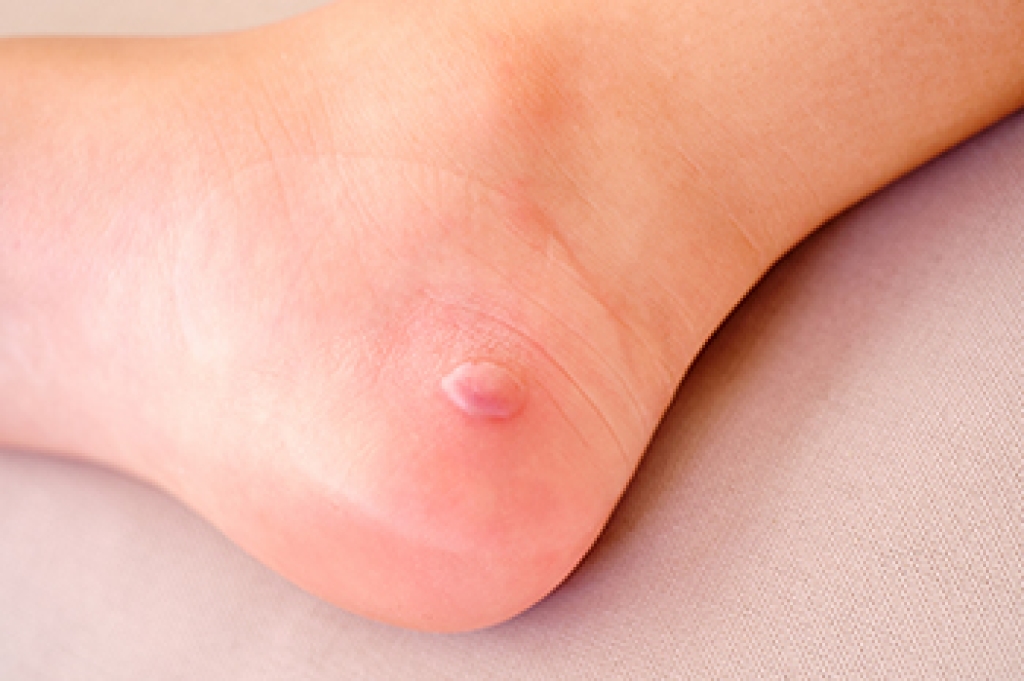
Blisters on the feet can make walking painful and interfere with normal activity. A blister is a fluid-filled swelling that forms within or just under the skin. It usually develops after the outer layer of skin becomes damaged. Fluid then collects beneath that layer and cushions the tissue below. Foot blisters can result from friction, heat, or pressure. Blood blisters form when a small blood vessel near the skin breaks and leaks into the damaged area. A blister containing pus can be a sign of infection and deserves professional attention.
Friction is an important cause of foot blisters. It occurs when skin repeatedly moves against another surface, which can damage the outer layers. Shoes that rub against the heel or toes can create this type of irritation. Pressure and shearing forces can also damage skin. Shearing occurs when the skin stays in place while deeper tissue shifts underneath it. Blisters can also develop after burns or around areas affected by fractures. Fracture blisters can contain clear fluid or blood. They can complicate healing because damaged skin has a greater risk of infection.
A podiatrist can examine a foot blister and determine what caused the skin damage. The evaluation can also identify pressure points, foot-shape concerns, or shoes that are creating repeated friction. Treatment depends on the blister's size, location, and condition. A podiatrist can protect the affected skin, select an appropriate dressing, and address pressure that could interfere with healing. Professional care is especially important when a blister shows signs of infection or occurs near an injury. Patients with recurring blisters can also benefit from an assessment of how their feet move inside their shoes. If you develop frequent foot blisters, it is suggested that you schedule an appointment with a podiatrist for effective relief and prevention tips.
Blisters may appear as a single bubble or in a cluster. They can cause a lot of pain and may be filled with pus, blood, or watery serum. If your feet are hurting, contact Dr. Richard DiMario of Maine. Our doctor can provide the care you need to keep you pain-free and on your feet.
Foot Blisters
Foot blisters are often the result of friction. This happens due to the constant rubbing from shoes, which can lead to pain.
What Are Foot Blisters?
A foot blister is a small fluid-filled pocket that forms on the upper-most layer of the skin. Blisters are filled with clear fluid and can lead to blood drainage or pus if the area becomes infected.
Symptoms
(Blister symptoms may vary depending on what is causing them)
Prevention & Treatment
In order to prevent blisters, you should be sure to wear comfortable shoes with socks that cushion your feet and absorb sweat. Breaking a blister open may increase your chances of developing an infection. However, if your blister breaks, you should wash the area with soap and water immediately and then apply a bandage to the affected area. If your blisters cause severe pain it is important that you call your podiatrist right away.
If you have any questions, please feel free to contact our office located in York, ME . We offer the newest diagnostic and treatment technologies for all your foot care needs.

Gout is a form of arthritis that causes sudden, intense joint pain that can make even light pressure difficult to tolerate. It develops when tiny crystals made of uric acid collect inside a joint and trigger inflammation. Gout most often affects the base of the big toe, but it also affects the midfoot, ankle, or other joints in the foot. Uric acid is a substance that the kidneys usually remove from the body. When too much uric acid builds up, crystals form and irritate the joint. An attack usually begins without warning. The affected joint becomes swollen, red, warm, and extremely painful. As the swelling improves, the skin around the joint sometimes begins to peel.
Several factors increase the risk of developing gout. The kidneys play an important role because they remove uric acid from the bloodstream. When they do not remove enough, uric acid levels rise and crystals develop. Risk factors include being overweight, drinking large amounts of alcohol, and eating excessive amounts of foods high in purines. Purines are natural substances that break down into uric acid. Certain medicines also raise uric acid levels. After one attack, many patients experience additional flare-ups. These attacks become more frequent and affect more than one joint. Repeated inflammation can damage joints and make walking more difficult.
A podiatrist can diagnose gout by reviewing your symptoms, examining the affected foot, and ordering imaging studies or laboratory testing when appropriate. Early diagnosis helps distinguish gout from infections, fractures, or other forms of arthritis. Treatment focuses on reducing pain, controlling inflammation, and protecting the affected joint. A podiatrist also monitors changes in the foot and recommends better foot support to reduce stress on painful joints. Prompt care improves mobility and reduces the risk of lasting joint problems. If you have symptoms of gout, it is suggested that you promptly schedule an appointment with a podiatrist for effective relief and treatment solutions.
Gout is a painful condition that can be treated. If you are seeking treatment, contact Dr. Richard DiMario from Maine. Our doctor will treat your foot and ankle needs.
What Is Gout?
Gout is a form of arthritis that is characterized by sudden, severe attacks of pain, redness, and tenderness in the joints. The condition usually affects the joint at the base of the big toe. A gout attack can occur at any random time, such as the middle of the night while you are asleep.
Symptoms
Risk Factors
Prior to visiting your podiatrist to receive treatment for gout, there are a few things you should do beforehand. If you have gout you should write down your symptoms--including when they started and how often you experience them, important medical information you may have, and any questions you may have. Writing down these three things will help your podiatrist in assessing your specific situation so that he or she may provide the best route of treatment for you.
If you have any questions, please feel free to contact our office located in York, ME . We offer the newest diagnostic and treatment technologies for all your foot care needs.

Foot problems caused by wearing high heels are a frequent concern, especially among people who wear them daily for work or social settings. High heels shift body weight forward, placing excessive pressure on the forefoot and toes. This unnatural position can lead to structural changes over time. Common conditions linked to high heel use include hammertoe and neuromas, both of which develop from repeated stress and compression. The altered foot position can also affect posture and disrupt natural walking patterns.
Symptoms often begin with mild discomfort, but can progress to more serious issues. Individuals may notice pain in the ball of the foot, swelling, redness, and burning sensations. Numbness may develop due to nerve irritation, especially in cases of neuroma. Hammertoe can cause visible bending of the toe joints, leading to friction and irritation in shoes. High heels also limit the power and motion of the ankle joint, reducing flexibility and increasing strain on surrounding muscles and tendons.
Risk factors include frequent use of wearing narrow or high-heeled shoes, prolonged standing, and poor foot support. Individuals with certain foot structures, such as high arches or imbalanced gait, may be more prone to developing complications. The instability created by elevated heels can increase the risk of falls and ankle injuries. Over time, these factors contribute to long term damage and discomfort if not addressed early.
Preventing foot problems begins with choosing supportive footwear and limiting the duration of high heel use. Stretching exercises and proper foot care can help maintain flexibility and reduce strain. Alternating shoe types and ensuring a proper fit can also improve comfort and alignment. If you have persistent foot or ankle pain from wearing high heels, it is suggested that you consult a podiatrist for effective relief tips and guidance on choosing more appropriate footwear.
High heels have a history of causing foot and ankle problems. If you have any concerns about your feet or ankles, contact Dr. Richard DiMario from Maine. Our doctor can provide the care you need to keep you pain-free and on your feet.
Effects of High Heels on the Feet
High heels are popular shoes among women because of their many styles and societal appeal. Despite this, high heels can still cause many health problems if worn too frequently.
Which Parts of My Body Will Be Affected by High Heels?
What Kinds of Foot Problems Can Develop from Wearing High Heels?
How Can I Still Wear High Heels and Maintain Foot Health?
If you want to wear high heeled shoes, make sure that you are not wearing them every day, as this will help prevent long term physical problems. Try wearing thicker heels as opposed to stilettos to distribute weight more evenly across the feet. Always make sure you are wearing the proper shoes for the right occasion, such as sneakers for exercising. If you walk to work, try carrying your heels with you and changing into them once you arrive at work. Adding inserts to your heels can help cushion your feet and absorb shock. Full foot inserts or metatarsal pads are available.
If you have any questions, please feel free to contact our office located in York, ME . We offer the newest diagnostic and treatment technologies for all your foot care needs.